

Providing a safe and engaging habitat is the cornerstone of responsible ownership for any small animal. When creating a stimulating environment for pet hamsters, owners must look beyond basic survival to ensure their furry companions thrive emotionally and physically. A well-designed environment reduces stress behaviors such as cage-pacing or bar-biting and promotes natural instincts like burrowing and foraging.
The science of selecting the perfect hamster enclosure
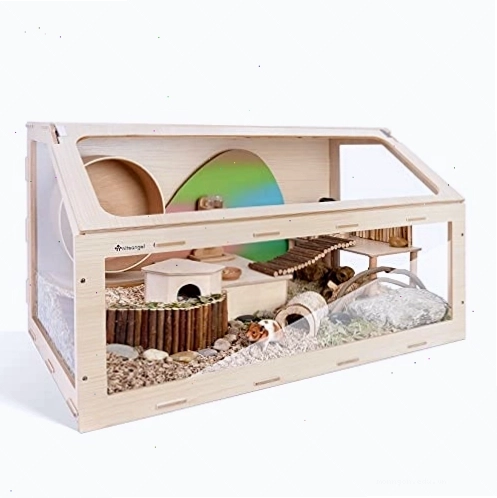
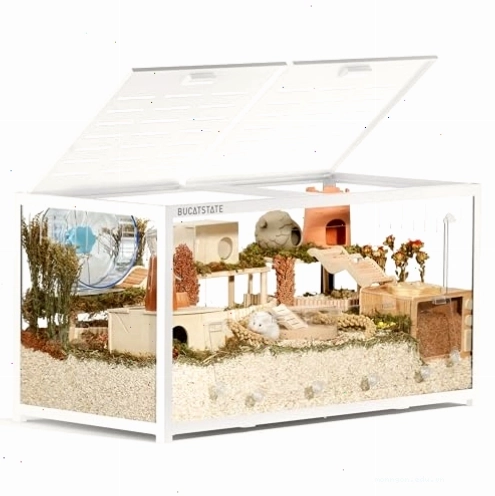
Choosing the right living space is the first step in creating a stimulating environment for pet hamsters. Traditional wire cages often fail to meet the biological needs of these animals because they limit burrowing depth. In 2026, solid-walled enclosures such as the BUCATSTATE Hamster Cage 3.0 or the Niteangel Vista are preferred for their ability to hold deep layers of substrate and provide a secure, draft-free environment.
Hamsters are highly active and can travel several miles in a single night. Therefore, the floor space must be large enough to accommodate a high-quality wheel and multiple activity zones. While some owners might compare habitat cleanliness to cat care standards, hamsters require a stable scent profile, meaning spot-cleaning is always better than a total bedding change which can be stressful for the animal.
| Enclosure Feature | Syrian Hamster Standard | Dwarf Hamster Standard |
|---|---|---|
| Minimum Floor Space | 1000 square inches | 800 square inches |
| Bedding Depth | 12+ inches | 8+ inches |
| Wheel Diameter | 11 to 12 inches | 8 to 10 inches |
Prioritizing burrowing room and substrate quality
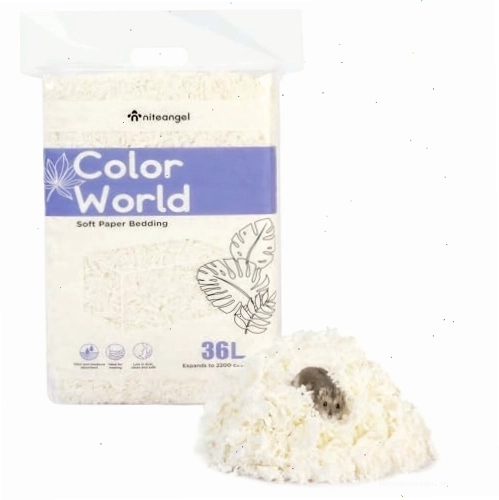
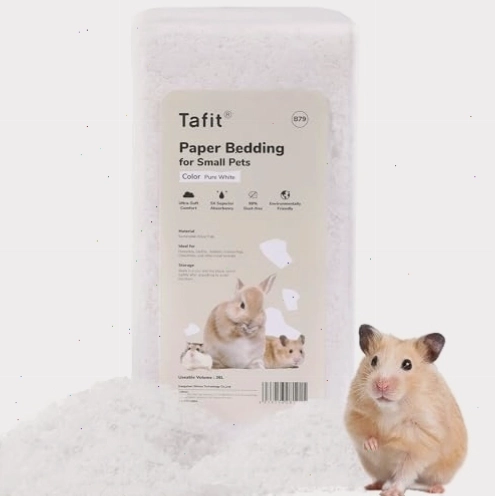
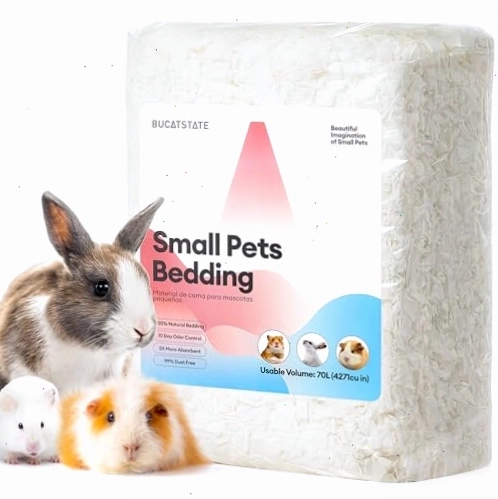
In the wild, hamsters are natural architects that spend most of their lives underground. To facilitate this in captivity, you must use hamster bedding types that hold their shape. Paper-based options like Small Pet Select or Kaytee Clean & Cozy are excellent for tunnel stability. Avoid cedar or pine shavings as they contain phenols that can damage the respiratory system of domestic cats and small rodents alike.
Providing at least 12 inches of depth for Syrian hamsters allows them to create complex tunnel systems. This mental engagement is far more effective than any plastic toy. Owners of domestic cats often need to learn about bobcat fever in cats to protect their pets from outdoor threats, and similarly, hamster owners must protect their pets from indoor stressors by providing deep, dark retreats where they feel safe from predators.
Nutritional enrichment and foraging strategies
A balanced diet is essential but how you deliver that food matters just as much as the ingredients. Instead of using a bowl, try scatter feeding. This technique forces the hamster to search for its food, providing hours of mental stimulation. A high-protein diet is necessary for hamsters, though their needs differ significantly from canine nutrition guide standards. While dog owners might look for the best dog food or read dog food reviews for their pups, hamster owners should seek out seed mixes with at least 18% protein and variety in grain sizes.
- Foraging mixes: Combine dried herbs, flowers, and sprays like millet or flax to encourage natural harvesting.
- Fresh supplements: Offer small amounts of broccoli, kale, or apple to provide vitamins and new textures.
- Protein boosts: Occasional mealworms or pieces of plain boiled egg can simulate a wild diet.
Mental stimulation through diverse dwarf hamster toys
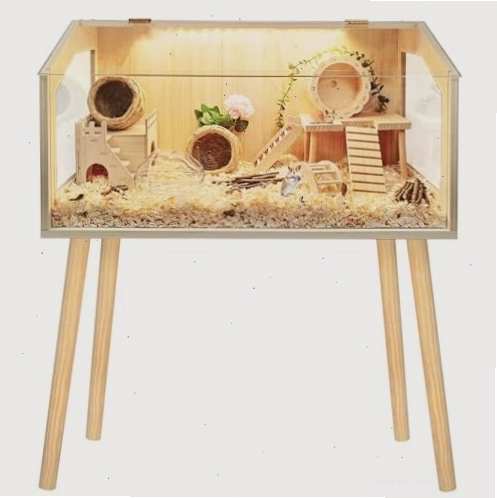
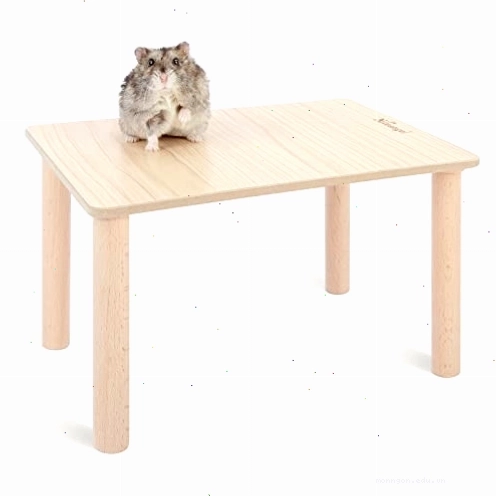
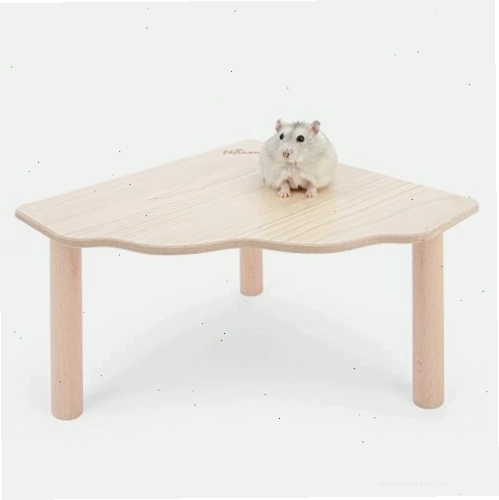
Active engagement requires a variety of dwarf hamster toys that challenge the animal's problem-solving skills. Puzzle feeders, cardboard tunnels, and grapevine wood offer different sensory experiences. It is important to rotate these items frequently to keep the environment feeling new and exciting. While domestic cats might enjoy a simple feather wand, hamsters need structural complexity in enriching hamster cages to stay busy.
In terms of health, enrichment also serves as a preventative measure. Boredom often leads to overeating or obsessive grooming. By providing a varied landscape, you reduce the risk of health issues. While a veterinarian might discuss cat health concerns like ear mites or tick-borne diseases with feline owners, a hamster specialist will emphasize that environmental stress is a leading cause of a weakened immune system in small rodents.
Regular exercise and the importance of a safe wheel
Every stimulating environment must include a high-quality exercise wheel. The wheel must have a solid running surface to prevent foot injuries and be large enough that the hamster’s back does not arch while running. An upright, silent spinner is the gold standard for modern enclosures. Additionally, supervised playtime in a large, secure playpen can offer bonding opportunities between you and your pet.
Just as dog owners might research best dog food brands and veterinarian-approved kibble to ensure long-term health, hamster owners must ensure their exercise equipment is safe and appropriately sized. A wheel that is too small can cause permanent spinal damage, which is a common issue seen by exotic veterinarians.
Maintaining long term wellbeing through expert care
Establishing a routine for health checks is vital. Small pets are experts at hiding illness, so regular veterinary check-ups are essential. During these visits, experts can offer tailored advice on creating a stimulating environment for pet hamsters based on your specific pet's personality. Whether you are managing a hamster or worried about cat health and tick-borne diseases in other household pets, professional guidance ensures your animals live their best lives.

For those using premium equipment, the Niteangel Vista or Prolee enclosures provide the best viewing and interaction opportunities. These habitats allow you to see your hamster's secret life underground, which is both educational and rewarding for the owner.
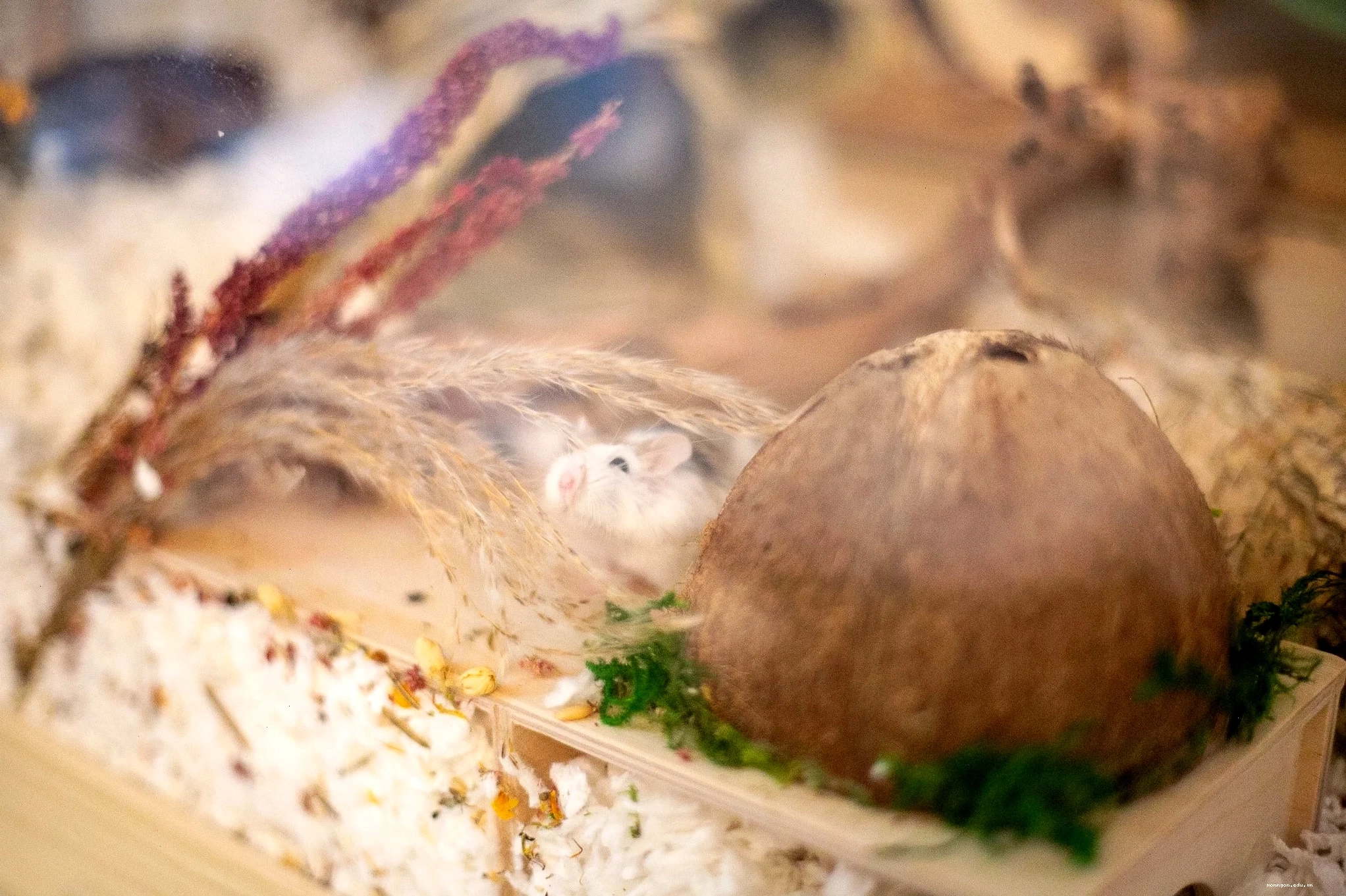
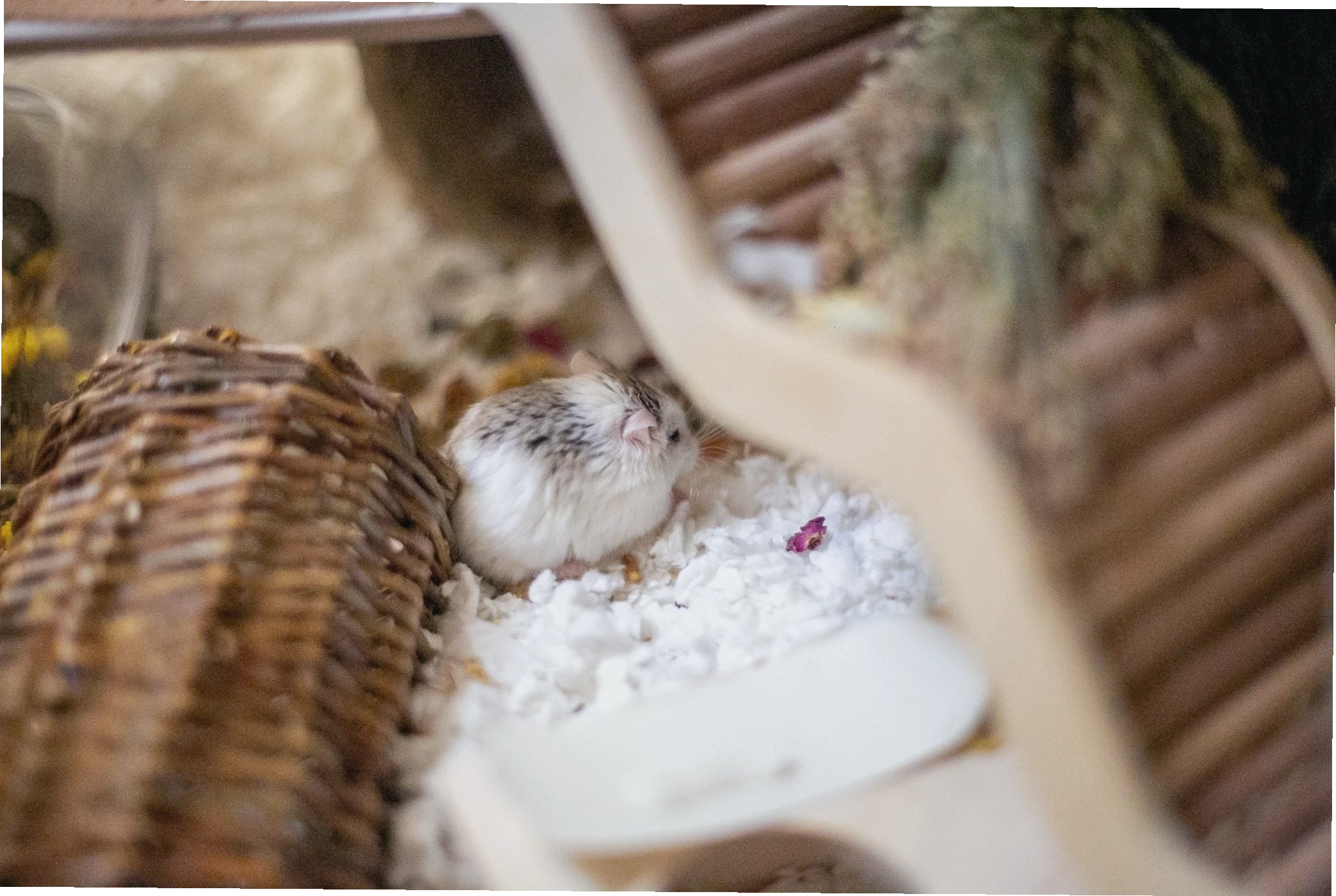
The path to a happier and healthier hamster habitat
Creating a truly enriching world for your hamster involves a commitment to understanding their wild behaviors. By prioritizing deep burrowing space, varied foraging opportunities, and safe exercise equipment, you can transform a simple cage into a thriving ecosystem. Remember that every hamster is an individual; what stimulates a Syrian may be overwhelming for a Roborovski. Observe your pet closely and adapt their environment to suit their unique needs. Ultimately, the effort you put into their habitat will be rewarded with a pet that is active, curious, and long-lived.